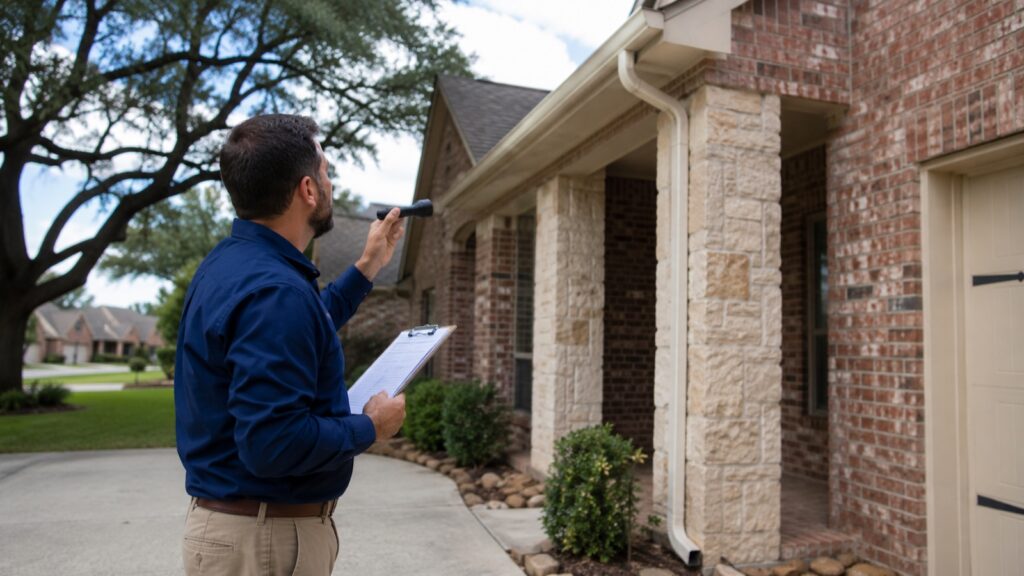
In a typical Texas home sale, the buyer pays for the home inspection. It is part of the buyer's due diligence during the option period, and because the buyer foots the bill, the buyer also controls who inspects, what gets inspected, and who sees the report. Payment is almost always due at the time of service.
Why does the buyer pay for the inspection?
Because it is the buyer's investigation. The inspection sits inside the option period, the short window when the buyer decides whether to proceed, renegotiate or walk away. Whoever is making that decision arranges and pays for the inspection.
When you go under contract on a home in the Dallas-Fort Worth area, you usually negotiate an option period. This is a short window, often a handful of days, when you can have the property inspected and decide whether to move forward, renegotiate, or walk away. The home inspection is the heart of that process, and it is your investigation as the buyer. Since you are the one deciding whether to buy, you are the one who arranges and pays for the inspection.
This is different from some other closing costs that get split, credited, or rolled into the deal. The inspection fee is generally paid directly by the buyer to the inspector, separate from anything that runs through the title company at closing. It is your money spent on your peace of mind.
How much does the buyer pay for a home inspection?
For a standard single-family home in North Texas, a home inspection commonly runs a few hundred dollars, with the exact price tied to the size, age, and features of the house. A larger home, a home with a pool, a separate guest house, or older systems can add to the total because there is simply more to examine. Add-on services like a sewer scope or a dedicated pool and spa review may carry their own fees. For a fuller breakdown of what drives the number up or down, see our guide on home inspection cost in DFW.
What does the buyer get for paying?
Control. The inspector you hire works for you, the findings stay confidential to you, and you decide what to do with them. That is the practical reason buyer-paid is the norm rather than a cost worth pushing onto the seller.
The biggest reason buyers benefit from paying is control. When you hire and pay the inspector, that inspector works for you. The findings are confidential to you, and you decide what to do with them. You choose the inspector, you set the appointment, and the report is delivered to you, not to the seller and not to the listing agent.
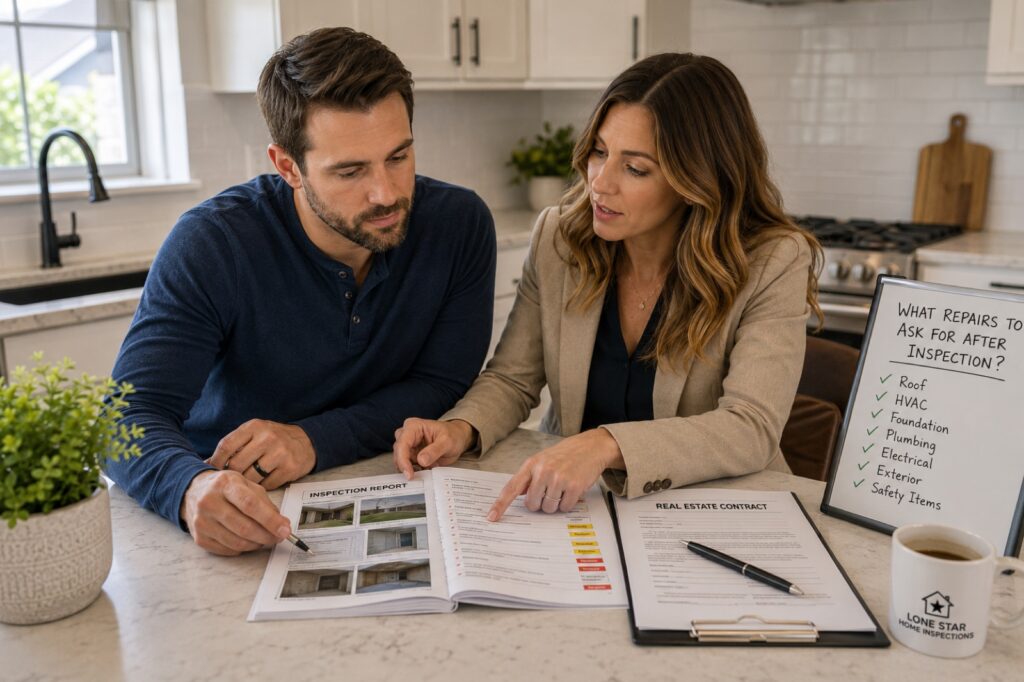
That confidentiality matters. The inspection report becomes the foundation for any conversation about repairs or price. Because it is yours, you control the timing and the framing of what repairs to ask for after the inspection. A report you paid for is leverage you own.
It is worth remembering what a Texas inspection is and is not. Under the TREC Standards of Practice, a standard inspection is a visual, non-invasive look at the home at a single point in time. The inspector reports the conditions that are visible and accessible on the day of the visit. It is not a code-compliance inspection, and the inspector does not predict how long a system will last or uncover problems hidden behind walls. Paying for the inspection buys you a careful, honest snapshot, not a warranty.
When the Seller Pays: Pre-Listing Inspections
There is one common exception. Some sellers choose to order and pay for a pre-listing inspection before the home ever hits the market. This is sometimes called a seller's inspection. The goal is to find surprises early, fix or disclose them, and reduce the chance of a deal falling apart later.
A pre-listing inspection can be a smart move for a seller, but it does not replace the buyer's own inspection. The seller paid for that report, so the seller controls it, and it reflects the home's condition on an earlier date. Most buyers still want their own independent inspection during the option period so they have a current report that answers to them. If you are weighing whether to skip the step entirely, read our take on whether you should waive a home inspection before deciding.
How and When You Pay
Home inspections in Texas are generally paid at the time of service. Many inspectors collect the fee when you book or just before the inspection begins, often online by card. Because the fee is paid directly to the inspector and not through closing, you do not have to wait until the sale funds to settle up, and you owe the fee whether or not the deal ultimately closes. That is part of treating the inspection as your due diligence: the value is in the information, and you get that information no matter what you decide to do next.
The Bottom Line for North Texas Buyers
If you are buying a home in Dallas-Fort Worth, plan on paying for your own inspection during the option period, due at the time of service. It is one of the smartest few hundred dollars you can spend, especially in a region known for expansive clay soil, post-tension slabs, aging plumbing, and brutal summer heat that tests every system in the house. Because you are paying, the report is yours, the findings are confidential, and the decisions are entirely in your hands.