Of all the checkpoints when building a new home in Dallas-Fort Worth, the pre-drywall inspection is the one buyers most often skip, and the one they most often wish they hadn't. Here's what it is and why it's so valuable.
What "pre-drywall" means
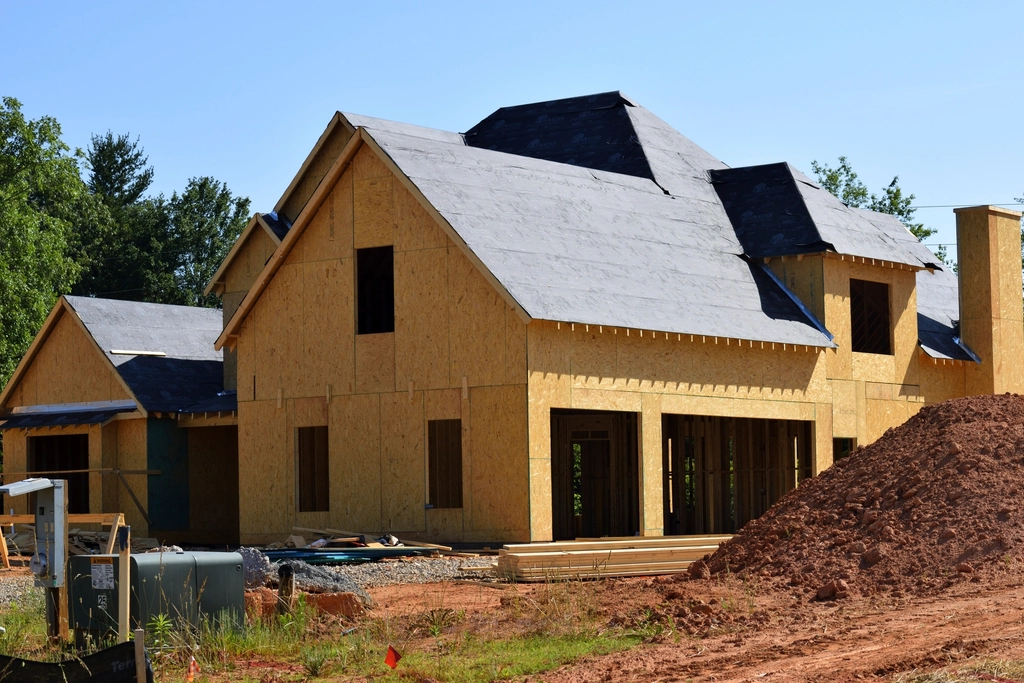
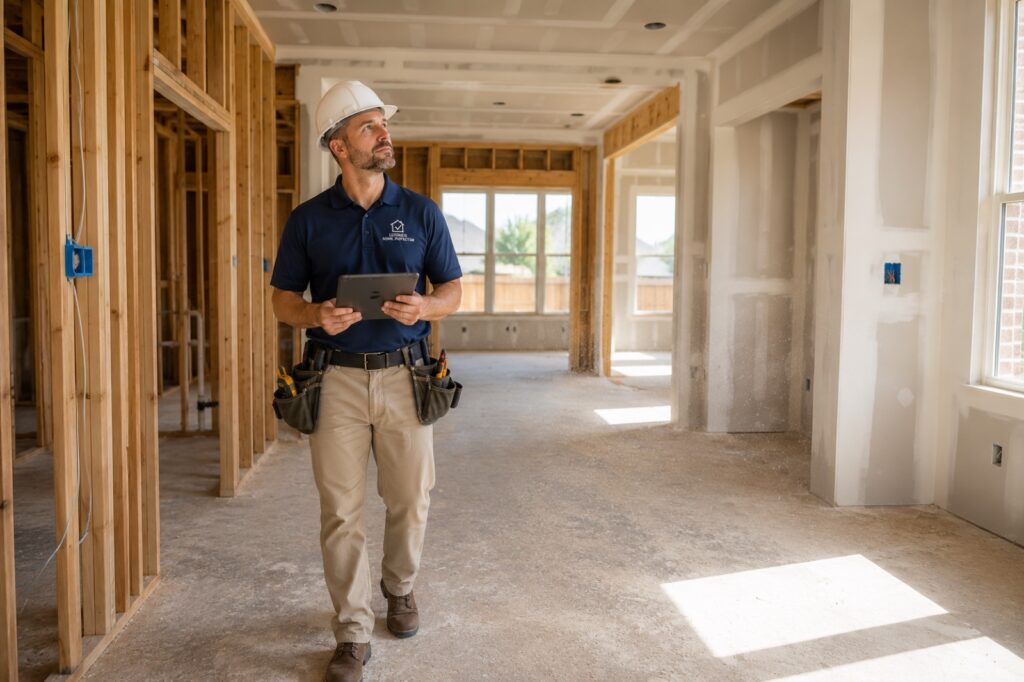
A pre-drywall inspection happens after the home is framed and the plumbing, electrical, and HVAC rough-ins are in, but before insulation and drywall cover everything up. For a few days, the bones of the house are completely visible. Once the drywall goes on, most of it is hidden for good.
What the inspector looks at
- Framing and structural connections
- Plumbing rough-ins and drain slopes
- Electrical wiring, boxes, and panel work
- HVAC ducting and equipment placement
- Window and door flashing and weatherproofing
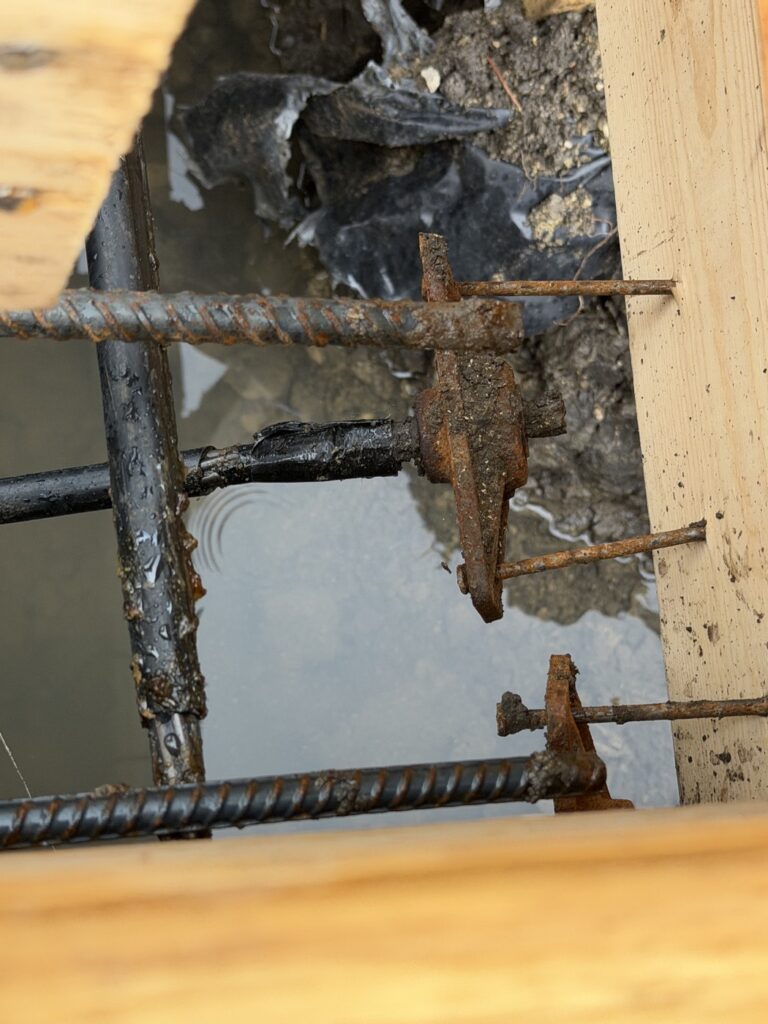
- Foundation and anchoring details still exposed
Why it's your one shot
After drywall, catching a framing defect, a disconnected duct, or a plumbing error means opening the wall back up, which rarely happens. Catching it at the pre-drywall stage means it gets fixed as a normal part of construction, at no cost or fight. In a fast-moving market like DFW, this is the highest-leverage inspection you can get.
How it fits with the other inspections
Pre-drywall is the first of three key checkpoints: pre-drywall, a final inspection before closing, and an 11-month inspection before your builder warranty expires. (Background: do I need an inspection on a brand-new home? and should I trust the builder to inspect their own home?)