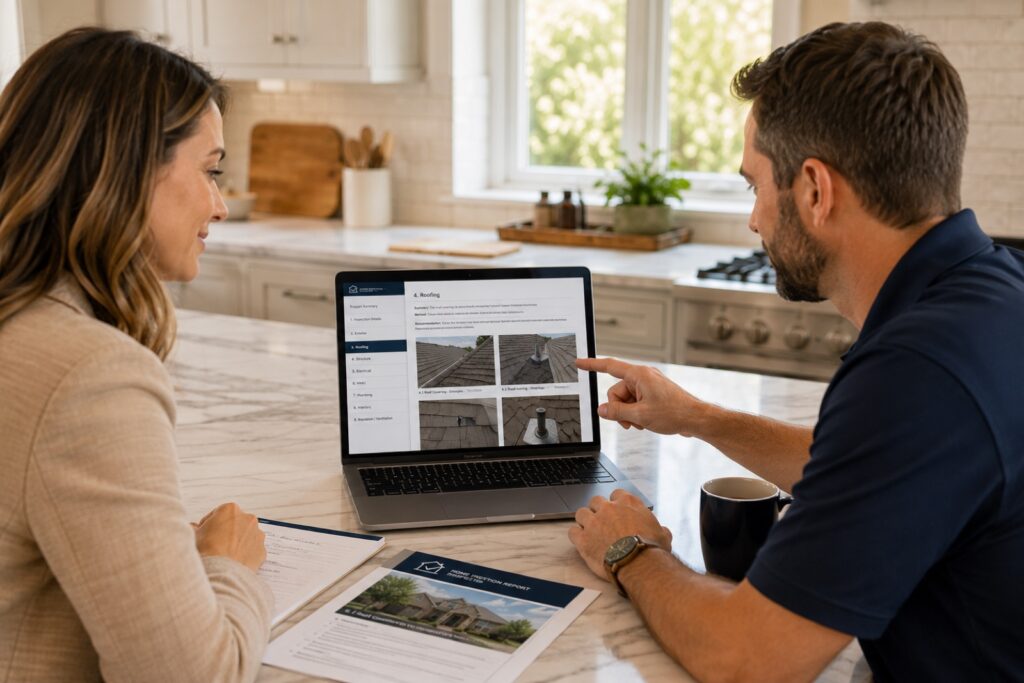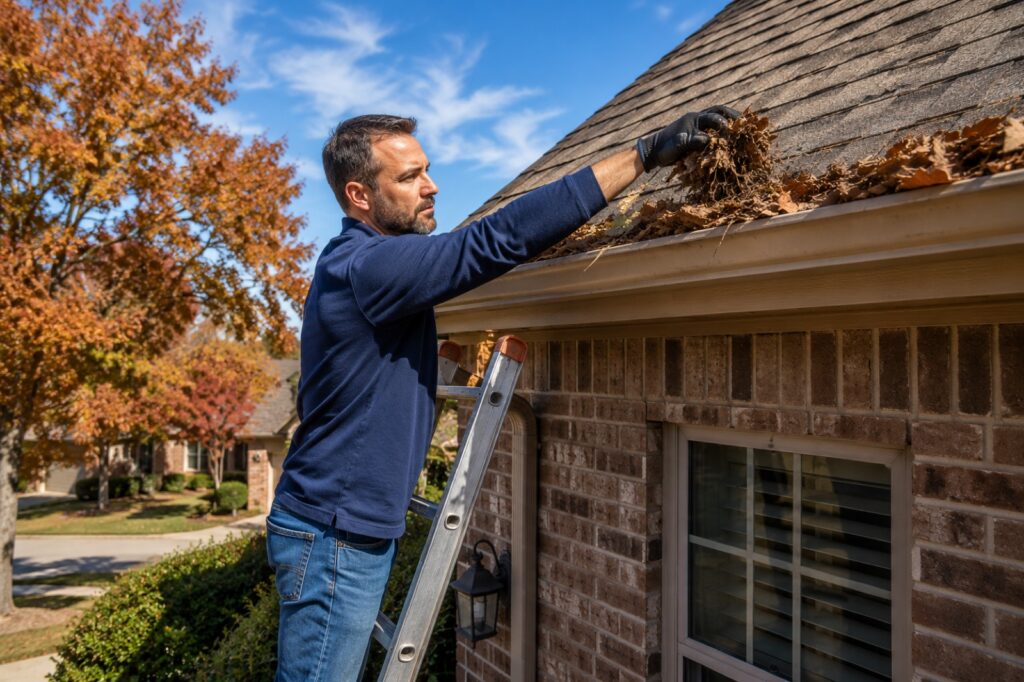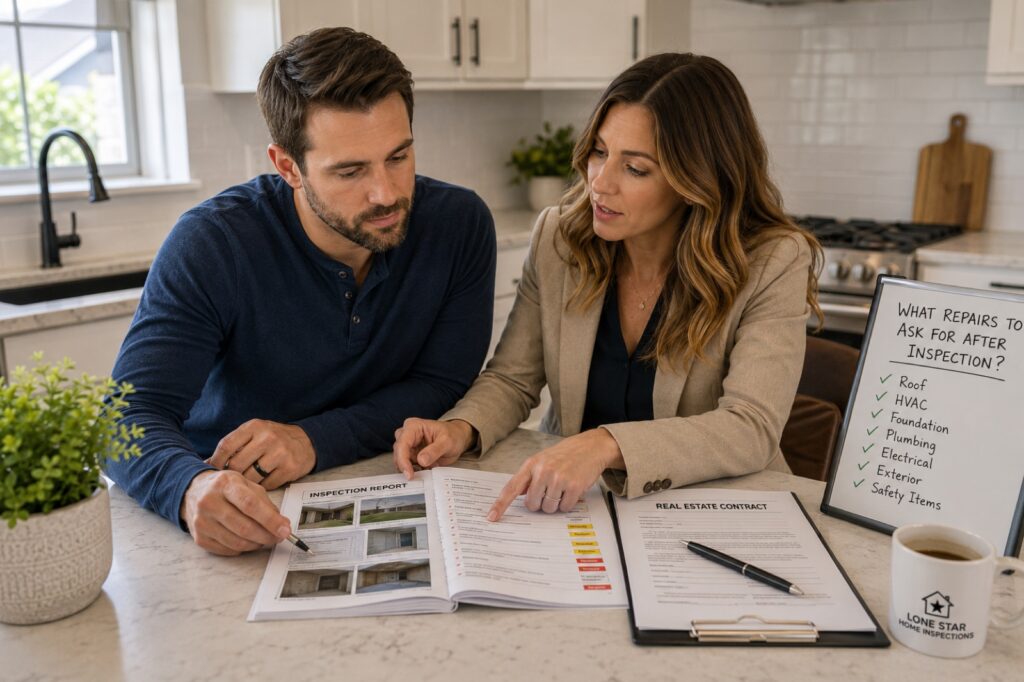
Your inspection report is in, and it lists a lot of items. Now what? In Texas, the inspection happens during your option period, and the report becomes the basis for repair negotiations. Here is how that works and which items are usually worth focusing on. (This is general information, not legal advice, so lean on your real estate agent for your specific situation.)
The report is not a repair demand
An inspection report documents condition; it does not obligate the seller to fix anything. Everything is negotiable. Buyers typically ask for a subset of the findings, a price reduction, or a closing-cost credit, rather than expecting every item to be repaired.
What buyers commonly request
Focus on items that affect safety, structure, and major systems rather than cosmetic flaws:
- Safety hazards: electrical issues, gas leaks, missing GFCI protection, or non-working smoke detectors.
- Structural and foundation concerns: significant movement or damage, especially relevant on North Texas clay soil.
- Major systems: a failing HVAC, water heater, or roof near the end of its life.
- Active leaks and water intrusion: plumbing leaks, roof leaks, or drainage problems that cause ongoing damage.
What to let go
Minor, cosmetic, or normal-wear items, a sticking door, a cracked outlet cover, small caulking gaps, are usually not worth spending your negotiating leverage on. Picking your priorities keeps the deal moving.
How the negotiation happens
In a standard Texas transaction, your agent prepares an amendment requesting repairs or a credit, and the seller can accept, counter, or decline. Because your option period is short, act quickly once you have the report. Some buyers prefer a credit or price reduction so they can choose their own contractor after closing.
Prioritize the big North Texas items
Foundation movement, roof damage from hail and heat, and strained HVAC systems are the costliest surprises in DFW homes, so those are usually where your attention belongs. For help interpreting the findings, see how to read your home inspection report and our guide to foundation movement in North Texas.