A home inspection is one of the most useful tools a Dallas-Fort Worth buyer has, but it helps to understand exactly what kind of accuracy it offers. A thorough inspection gives you a reliable snapshot of a home's condition. It is not a guarantee, a warranty, or a promise that nothing will ever go wrong. Both of those facts are true at the same time, and the gap between them is where misunderstandings happen.
What "accurate" really means here
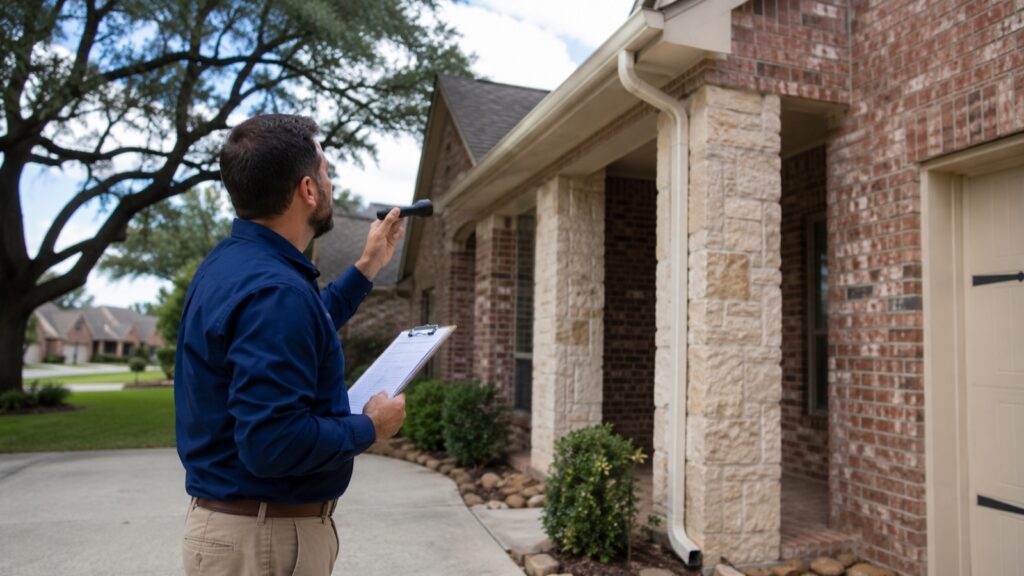
An inspection is visual and point-in-time. The inspector evaluates what they can see and safely access on the day of the visit. That means a few built-in limits:
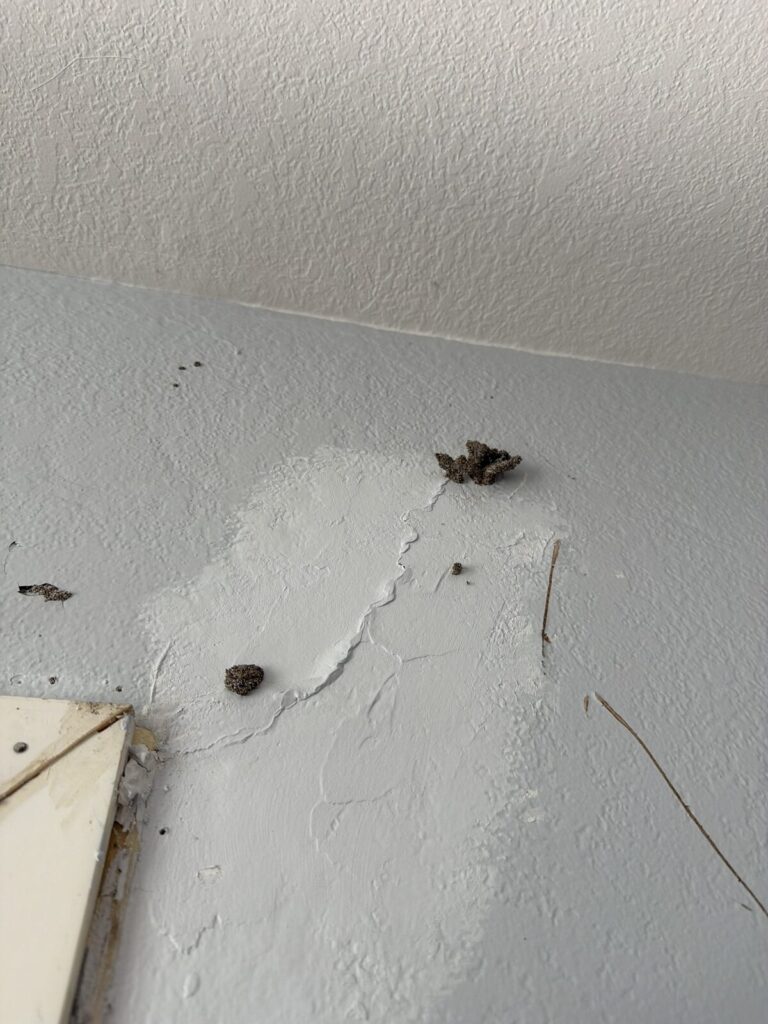
- Hidden conditions: problems behind walls, under slabs, or buried in insulation may not be visible.
- Intermittent issues: a leak that only shows up in heavy rain may stay hidden on a dry day.
- Future failures: a water heater working today could fail next month, and no inspection can predict that.
Within those limits, a careful inspector is highly accurate about what they observe. The skill is in reading clues, like staining, settling, or wear, and pointing you toward what deserves a closer look.
Why it is not a warranty
This distinction matters in North Texas, where clay soil drives foundation movement and hail batters roofs. An inspection documents the condition you are buying. It does not insure you against repairs later. Treat the report as a decision-making tool, not a maintenance contract.
How to get the most accurate result
You have real influence over how much the inspection catches:
- Provide access: clear the attic hatch, electrical panel, and areas under sinks so nothing gets skipped.
- Attend the wrap-up: seeing issues in person beats reading about them later.
- Add targeted services: a sewer scope or foundation evaluation sharpens the picture where it counts.
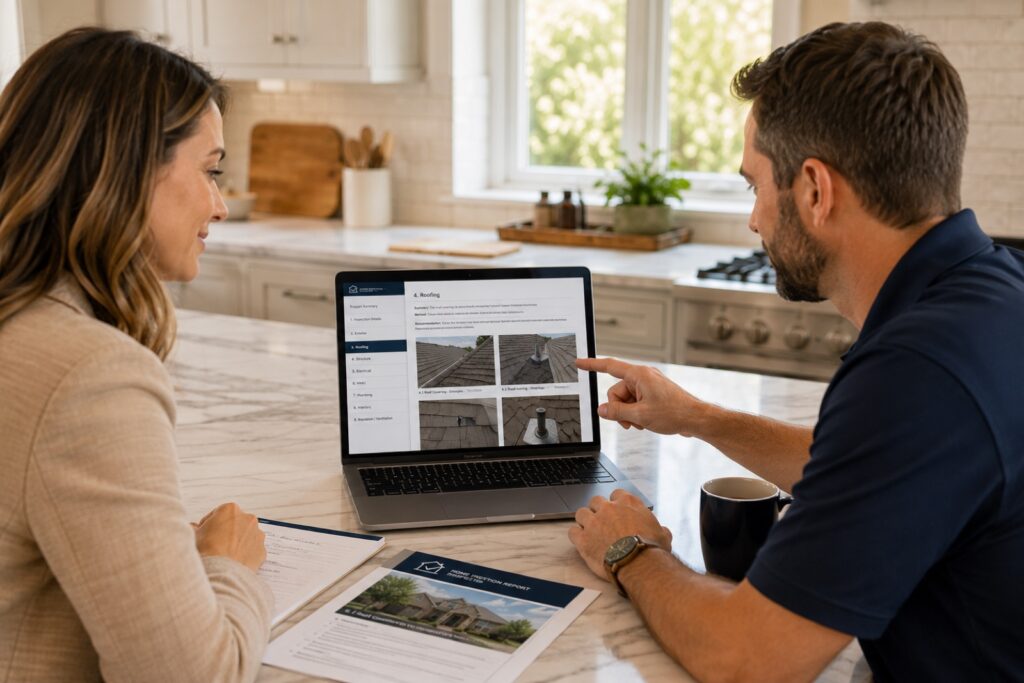
- Read the report closely: understanding the findings is half the value, which we walk through in how to read your report.
The honest takeaway
A good inspection is thorough, professional, and well worth it, as long as you understand its scope. It also helps to know what a home inspection won't catch so you are not surprised.