
How Homeowners in Texas Can Prepare Their Homes for Summer Heat
- John C Smith
- 4 days ago
- 4 min read

Texas summers can be tough on a home. In the Dallas-Fort Worth area, high temperatures, strong sun, and long cooling seasons can put extra stress on roofing materials, attic spaces, plumbing components, and air conditioning systems. For homeowners, taking a few proactive steps before the hottest part of the year can help reduce wear, improve comfort, and make it easier to catch visible issues early.
Why Summer Preparation Matters in Texas
In North Texas, summer heat is not just uncomfortable. It can also expose weak points in a home. As temperatures rise, HVAC systems work harder, attic temperatures climb, and roofing materials stay under constant sun exposure. Small issues that seemed minor in cooler weather can become bigger problems during the summer months.
Preparing your home ahead of time can help you protect your property, improve energy efficiency, and reduce the chances of dealing with preventable problems when temperatures peak.
1. Check Your Air Conditioning System
Your HVAC system does a lot of heavy lifting during a Texas summer. Before the hottest days arrive, it is a good idea to make sure your system is ready for the season.
Homeowners should consider:
Changing the air filter regularly
Making sure supply and return vents are not blocked
Clearing debris from around the outdoor condenser unit
Monitoring for unusual noises or reduced cooling performance
Watching for signs of moisture around the system
Because air conditioning systems often run for much of the year in Texas, visible wear and moisture-related concerns can develop over time.
2. Pay Attention to the Attic
Attics in Texas can become extremely hot in the summer. If the attic is not ventilating properly or insulation is not performing as expected, heat buildup can affect comfort and place extra strain on the HVAC system.
Homeowners should look for:
Signs of poor ventilation
Damaged or displaced insulation
Visible signs of moisture intrusion
Rusted metal components
Unusual heat buildup or musty odors
The attic is one of the most overlooked parts of the home, but it plays a major role in how a house handles summer heat.
3. Inspect Roof Areas From the Ground
Your roof is one of the first parts of the home to feel the effects of the Texas sun. While homeowners should avoid walking the roof unless qualified to do so, they can still keep an eye out for obvious signs of wear from the ground.
Things to watch for may include:
Missing or damaged shingles
Sagging areas
Visible flashing concerns
Debris buildup in valleys or around roof edges
Signs of gutter overflow or drainage problems
In DFW, intense sun and storms can both contribute to roof wear, so it is helpful to stay alert to changes.
4. Clean Gutters and Watch Drainage
Summer storms can move through quickly in North Texas, and poor drainage can create problems around the roofline and foundation. Gutters and downspouts should be clear so water can move away from the home properly.
This is especially important in Texas, where drainage patterns can affect the structure over time.
5. Seal Air Leaks and Check Doors and Windows
When cool air escapes, your HVAC system has to work even harder. Before summer gets into full swing, homeowners can check for drafty doors, worn weatherstripping, and windows that are not sealing well.
These small maintenance items may help improve comfort and reduce unnecessary strain on the cooling system.
6. Trim Vegetation Away From the Home
Trees and shrubs can be helpful for shade, but overgrown vegetation can also create problems if it is too close to the home. Branches rubbing the roof, blocked airflow around HVAC equipment, and excess moisture near the structure are all worth avoiding.
Keeping the exterior maintained can help the home perform better during hot weather.
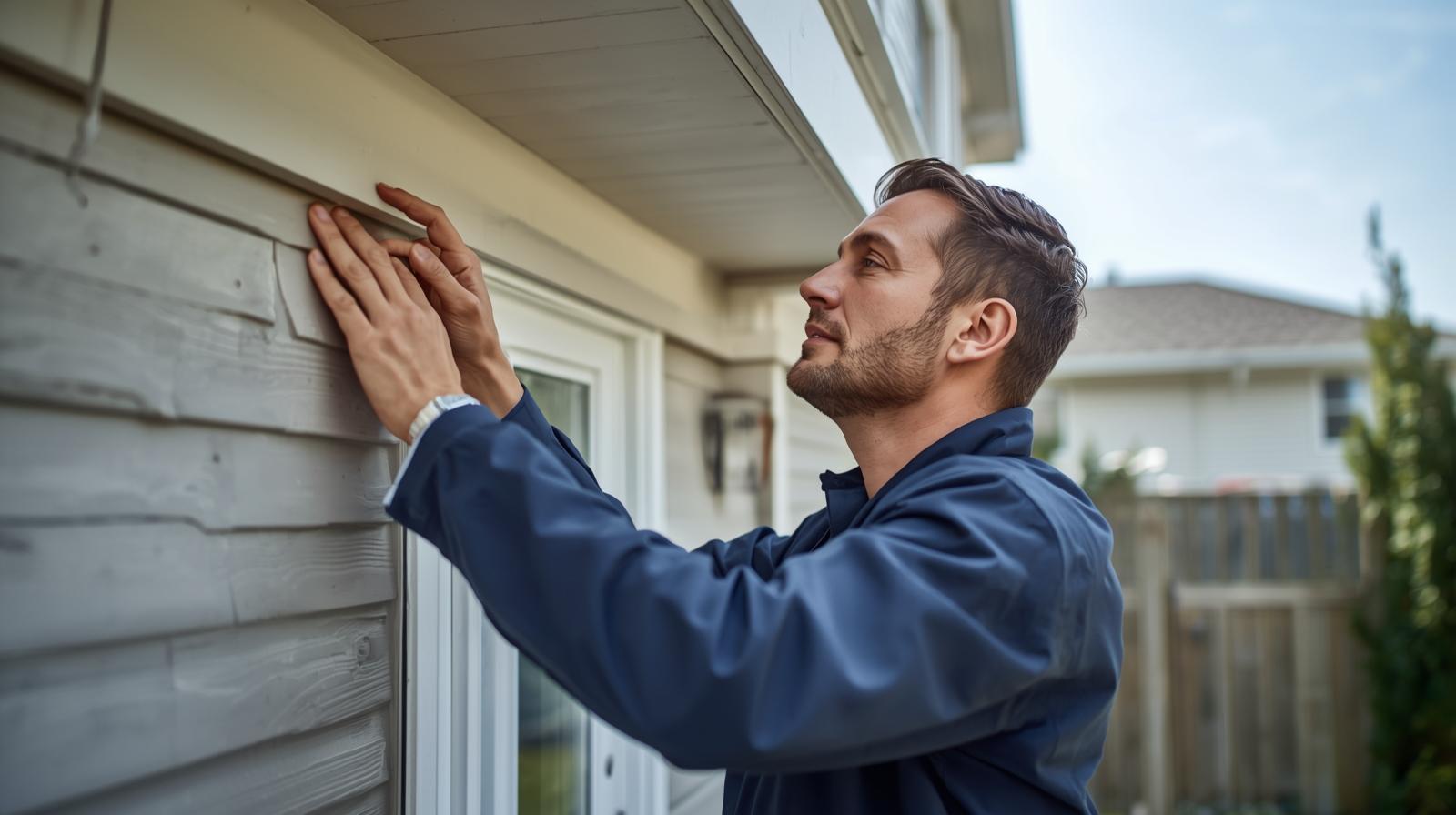
7. Consider an Annual Home Inspection
One of the best ways to prepare your home for summer heat is to schedule an annual home inspection. Even if you are not buying or selling, an annual inspection can help identify visible deficiencies before they become more expensive or disruptive.
A yearly inspection can be especially helpful for monitoring:
Roof wear
Attic conditions
Visible plumbing concerns
HVAC-related moisture issues
Exterior maintenance items
Drainage patterns around the home
For Texas homeowners, an annual inspection can provide added peace of mind and help you stay ahead of issues that may worsen during the summer.
Why Annual Inspections Matter in DFW
Homes in Dallas-Fort Worth deal with a demanding climate. Long cooling seasons, high UV exposure, shifting soil conditions, and severe weather can all impact a property over time. An annual inspection gives homeowners a better understanding of the home’s visible condition and can serve as a smart part of regular home maintenance.
Help Your Home Handle the Texas Heat
Preparing your home for summer in Texas does not have to be complicated. A few simple maintenance steps can go a long way toward protecting your roof, attic, and HVAC system during the hottest months of the year.
And if you want a more complete picture of your home’s visible condition, an annual home inspection can be a valuable tool for staying proactive.


Comments