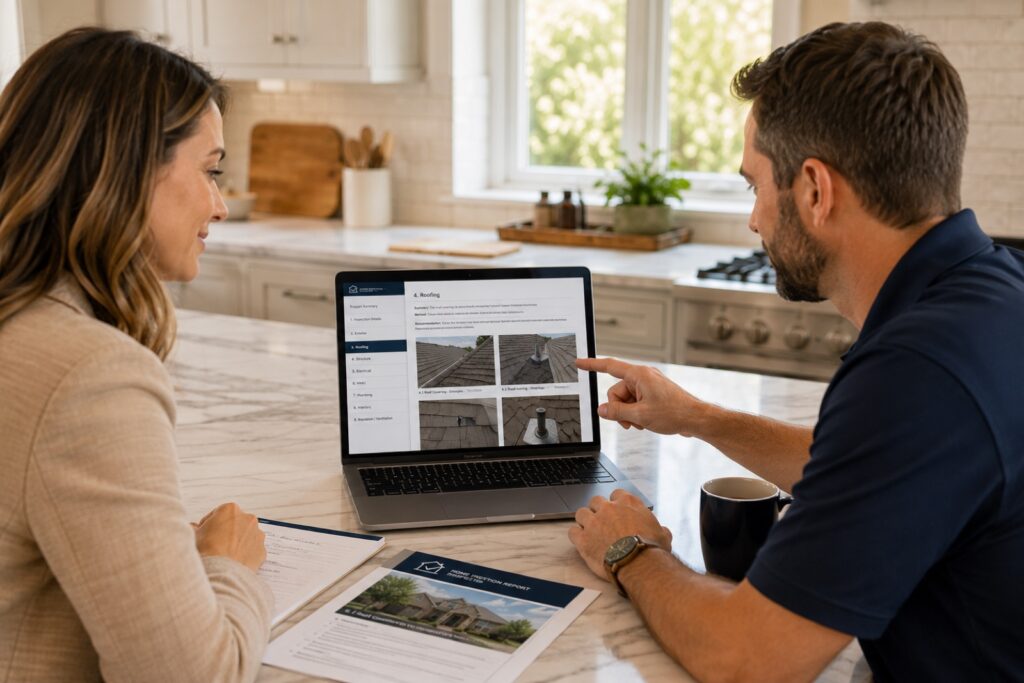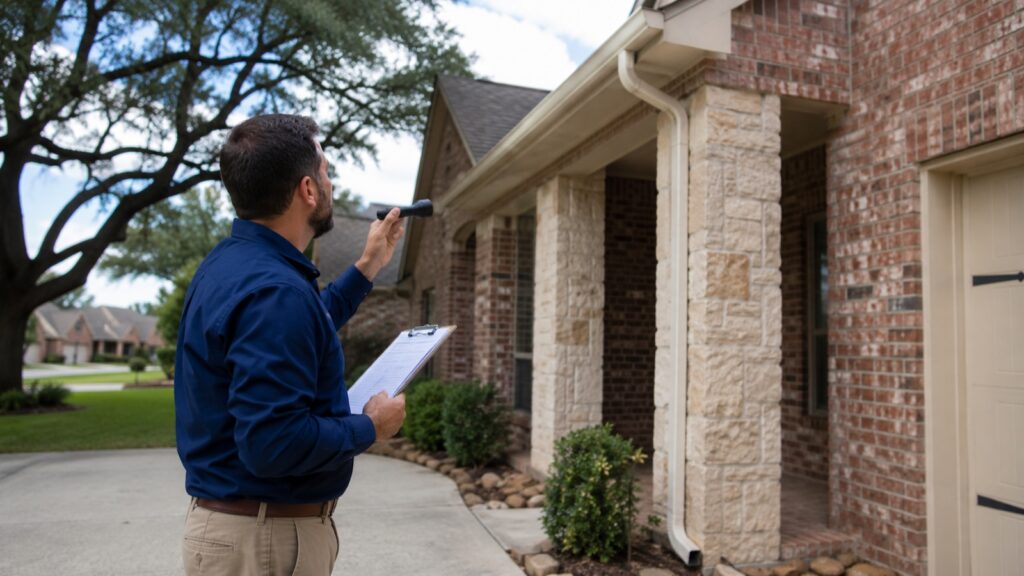
A standard Texas home inspection is a visual, non-invasive look at a property at one point in time, and the rules for what it must cover are written into state law. The Texas Real Estate Commission (TREC) sets the Standards of Practice that every licensed inspector follows, codified at 22 TAC 535.227 through 535.233. Those sections spell out both what an inspector is required to inspect and report, and the long list of things they are not required to do. Understanding that line saves a lot of confusion when the report lands in your inbox.
Where the rules actually live
The TREC Standards of Practice took effect in their current form on February 1, 2022. They break the home into systems, with separate sections for each:
- 535.227 covers general provisions, limitations, and the exclusions that apply across the whole inspection.
- 535.228 covers structural systems, including the foundation.
- 535.229 covers electrical systems.
- 535.231 covers plumbing and gas distribution.
Within each system, the rule tells the inspector what to observe and which deficiencies to report. For a deeper walk through the systems themselves, see our guide to the inspector standards of practice.
Visual, non-invasive, and point-in-time
Three words define the legal scope: visual, non-invasive, and point-in-time. The inspector reports what is visible and accessible on the day of the inspection. They are not required to open walls, dig, or take systems apart. Under 535.227 the inspector is specifically not required to inspect anything buried, hidden, latent, or concealed, including sub-surface or sub-slab drainage systems. So if a drain line runs under your slab, the standard inspection reports what can be seen, not the condition of the pipe sealed in concrete below.
Point-in-time matters too. The report describes conditions as they were that day. A water heater that works during the inspection can still fail next month, and that is not a miss by the inspector. It is simply the nature of a snapshot.
What a TREC inspection is NOT required to do
The exclusions in 535.227 are just as important as the requirements. A standard real estate inspection is not required to:
- Inspect anything buried, hidden, latent, or concealed.
- Determine the life expectancy or age of any component. An inspector reports a system's visible condition, but the rule does not ask them to tell you how many years it has left.
- Determine compliance with any code, listing, testing, or protocol authority. This is the big one: a real estate inspection is not a code-compliance inspection. The inspector reports deficiencies they observe, not whether the home meets current building code.
- Use specialized equipment. The rule, at 535.227(a)(3)(C), specifically lists thermal imaging cameras, moisture meters, gas and carbon monoxide detectors, environmental testing devices, elevation devices, and sewer cameras as tools the inspection does not require.
That last point surprises a lot of buyers. Thermal imaging and sewer scopes are useful, but they are add-on services, not part of the baseline inspection. If you want them, ask for them.
Real estate inspection vs specialized inspection
Think of the TREC real estate inspection as the broad, whole-house baseline. It touches every major system and flags visible problems so you know where to look closer. A specialized inspection is the focused follow-up, performed by someone licensed for that specific work.
For example, a home inspector reports the visible foundation performance and visible signs of movement, but a licensed structural engineer determines the cause and designs the repair. Plumbing is similar. Your inspector reports the visible piping material and any leaks they can see, but a hydrostatic test of buried cast iron drains is invasive, must be done by a licensed plumber, and requires separate written authorization from the seller. The inspector cannot legally perform it.
The same pattern applies to wood-destroying insects, pools, septic systems, and environmental concerns like asbestos or lead. The general inspection points you to the issue, and the specialist digs in.
What this means for a North Texas buyer
North Texas homes bring their own pressures. Expansive clay soil moves with the seasons and stresses foundations and underground drains. Older neighborhoods carry housing-stock issues like aging panels and outdated wiring, which the inspector reports as visible deficiencies without judging remaining life. A good inspection report tells you what was seen and where a specialist or further evaluation is warranted. It does not promise that hidden parts of the home are problem-free, because the rules never asked it to.
That is the honest value of a TREC inspection: a thorough, system-by-system view of the visible condition, written by a licensed professional who knows what to flag. To round out your expectations, it also helps to read up on what a home inspection will not catch so you know where the limits fall before you reach them.