When inspectors talk about a "Standards of Practice," they are referring to the rulebook that defines exactly what a general home inspection includes and what it leaves out. If you understand the Standards of Practice, you will know what your inspector is responsible for, what to expect in the report, and where the natural limits of an inspection lie.
What a Standards of Practice is
A Standards of Practice, often shortened to SoP, is a written document that sets the scope of a home inspection. The major national associations, InterNACHI and ASHI, each publish one, and their members agree to follow it. The SoP defines two things: the systems an inspector must examine, and the things an inspector is not required to do.
What an inspection covers
Under a typical Standards of Practice, a general home inspection examines the major visible and accessible systems of the house. That usually includes:
- Roof
- Structure and foundation
- Exterior
- Attic, insulation, and ventilation
- HVAC (heating and cooling)
- Electrical system
- Plumbing system
- Interior
- Built-in appliances
For a closer look at each of these areas, see our overview of what a home inspection covers in DFW.
The inspection is visual and non-invasive
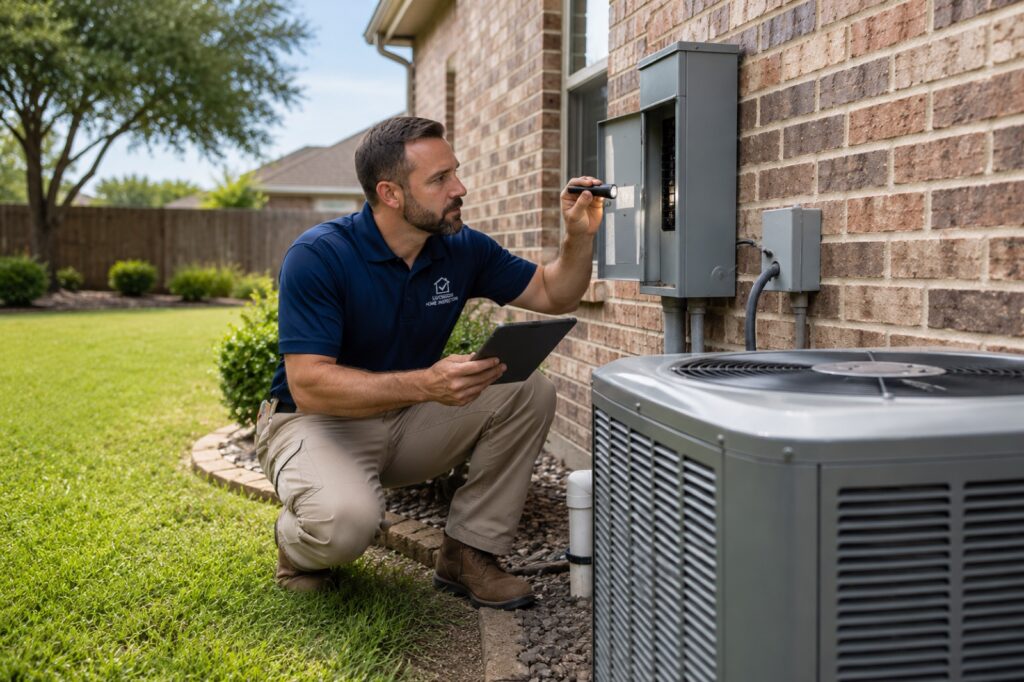
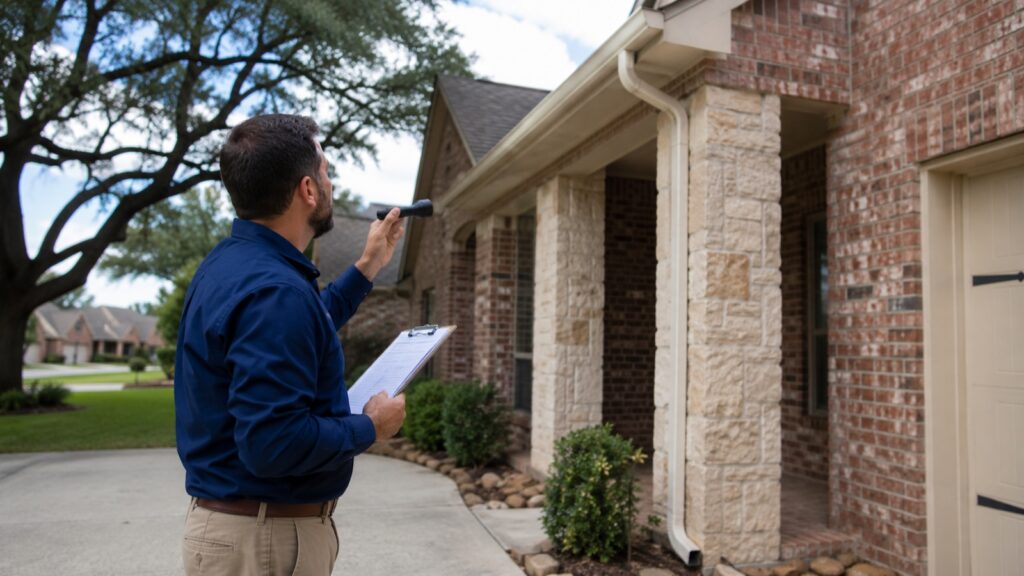
This is one of the most important things to understand. Inspections performed under these standards are visual and non-invasive. The inspector looks at what can be seen and safely reached. They do not cut into walls, dig up the yard, or take apart equipment. That keeps the inspection safe and non-destructive, but it also means some problems are simply not visible on inspection day.
Common exclusions
Every Standards of Practice also lists what is outside the scope of a general inspection. Items hidden behind finished walls, buried underground, or otherwise inaccessible are generally excluded, as are specialized systems that call for a dedicated specialist. The point of these exclusions is honesty: the SoP is upfront about the difference between a thorough visual review and a guarantee that nothing is wrong. To understand these boundaries better, read about what a home inspection will not catch.
How Texas fits in
In Texas, there is an added layer. Home inspectors are licensed and regulated by the Texas Real Estate Commission (TREC), and TREC publishes its own Standards of Practice along with a promulgated, standardized inspection report form. A Texas inspector follows the TREC SoP as the legal baseline, and may also hold ASHI or InterNACHI membership and follow that association's standards on top of the state requirement.
This means a North Texas buyer benefits from a state-defined scope and a consistent report format, which makes inspections easier to compare from one home to the next.
Why this helps you
Knowing the Standards of Practice sets honest expectations. You will understand why your inspector flags some things and not others, why certain systems get referred to a specialist, and why the report reads the way it does.