Most people shopping for a home in North Texas are not shopping in one city. A buyer will tour a place in Frisco on Saturday, another in Grapevine on Sunday, and end up under contract in Bedford three weeks later. The search spans the metroplex, but almost every tool for comparing home inspectors does not.
Dallas-Fort Worth covers roughly 9,300 square miles across thirteen counties and more than 200 incorporated cities. That scale creates a specific problem when you try to use local rankings, reviews, or "best of" lists to pick an inspector, and it is worth understanding before you rely on one.
Local Rankings Are Scored City by City
Ranking services that score local businesses almost always draw their boundaries at the city line. That is reasonable for a barber shop. It is a poor fit for home inspection, where a single company routinely works across dozens of municipalities in a week.
A concrete example. For July 2026, the ranking service BusinessRate scored home inspectors in North Richland Hills and ranked Buffalo Property Inspections first, with a composite score of 288 out of 300 built from long-term performance, activity over the previous 90 days, and the depth of the reviews themselves.
That result is real, and it is also narrow by design. It says something specific about one company measured against the other inspection businesses with a North Richland Hills address. It does not rank every inspector working in North Richland Hills, because a company headquartered in Keller or Hurst that inspects there constantly would be scored in its own city instead.
So the honest way to read any city-level ranking is this: it is a real signal about the companies it measured, in the city it measured them in. It is not a metroplex leaderboard, and no such thing exists.
Why Nobody Publishes a DFW-Wide List Worth Trusting
Plenty of sites publish "best home inspectors in DFW" pages. Most are advertising. Directories frequently sell placement, and a company's position reflects what it paid rather than how it performed. Others are assembled by whoever owns the site, which makes them opinion rather than measurement.
Even an honest attempt runs into a genuine methodology problem. A company doing 40 inspections a month in one suburb and one doing 400 across the whole metroplex are not comparable on review volume alone, and normalizing that fairly across companies of wildly different sizes is harder than it sounds.
This is why we would rather teach you to read the underlying signals than hand you a ranking to trust.
The Metroplex Is Not One Housing Market
There is a second reason a single DFW-wide list would mislead you: the homes are not the same, so the inspection expertise that matters is not the same either.
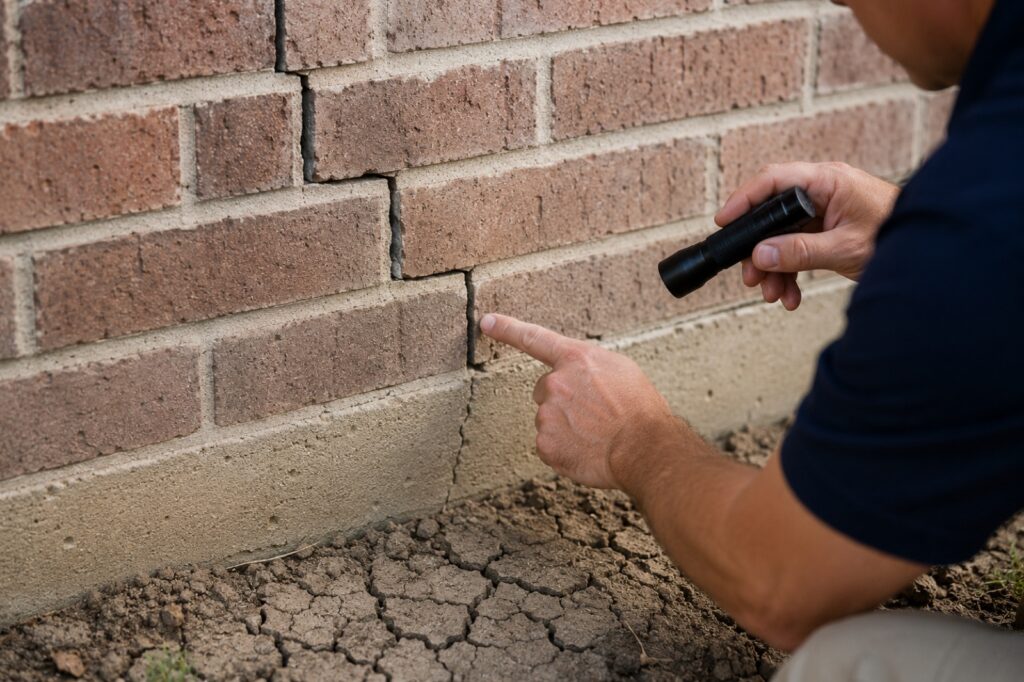
- The expansive clay belt. Much of Dallas, Collin, and eastern Tarrant County sits on soils that swell and shrink dramatically between wet and dry seasons. Foundation movement is the defining issue, and an inspector who reads elevation and drainage well is worth a great deal.
- The northern new-construction corridor. Denton and Collin County suburbs are building at a pace few metros match. The relevant skills are pre-drywall and eleven-month builder warranty inspections, which are a different discipline from evaluating a 1970s resale.
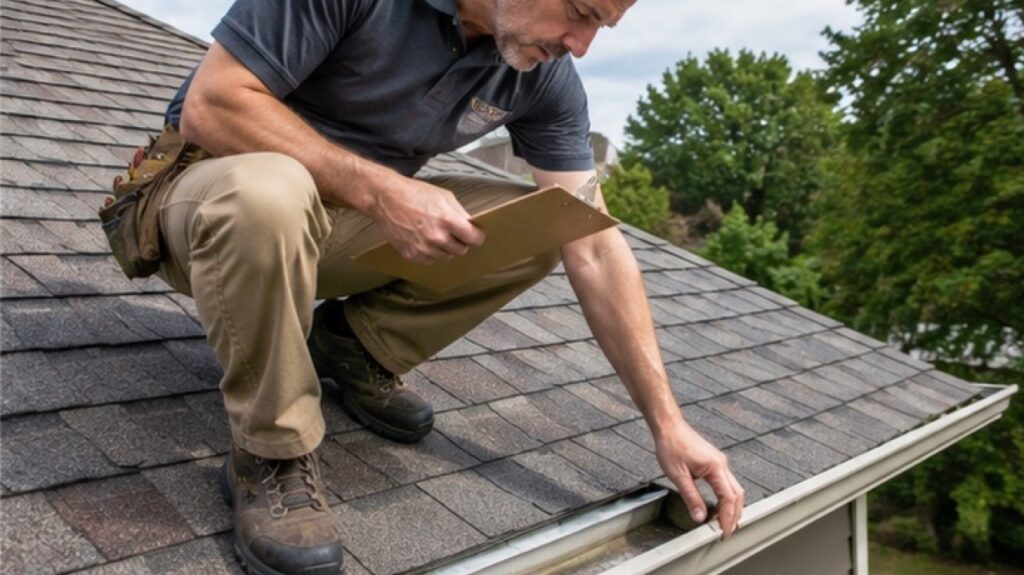
- The hail corridor. North Texas takes some of the most frequent severe hail in the country. Roof age, impact damage, and prior insurance repairs matter far more here than in most markets.
- Older infill neighborhoods. Closer-in Fort Worth and East Dallas bring cast iron drain lines, aging electrical panels, and original galvanized supply piping. Sewer scopes and panel knowledge earn their keep.
An inspector who is excellent on 1960s pier-and-beam housing stock may rarely see a pre-drywall framing inspection. Neither is better. They are different jobs, and "best in DFW" flattens that distinction entirely.
How to Actually Compare Inspectors Across the Metroplex
Here is the approach that survives contact with a real DFW home search.
- Confirm they cover your target cities. Ask directly. A company that serves the whole metroplex saves you re-vetting someone every time your search shifts north or west.
- Match the inspector to the housing stock. Buying new construction? Ask how many pre-drywall inspections they performed last month. Buying a 1965 ranch? Ask about sewer scopes and cast iron.
- Read recent reviews, not the best ones. Sort by newest. Inspection quality moves with staffing and workload, so the last ten reviews tell you more than the lifetime average.
- Weigh detail over volume. Twenty reviews describing what was found beats two hundred saying "great job." For more on how the review signals get weighted, see our piece on what a benchmark score actually measures.
- Verify the license. Every Texas inspector is licensed by the Texas Real Estate Commission, and any license number can be checked on the TREC website in a minute.
- Ask about the walkthrough and the turnaround. Will the inspector walk the home with you at the end, and when does the report arrive? Option periods are short, and a report that lands three days late has already cost you leverage.
Use Rankings as a Starting Point, Not an Answer
A city-level ranking is a reasonable place to begin a shortlist. It is evidence that a company has sustained something measurable over time rather than assembled a handful of reviews last month. Just do not mistake it for a metroplex-wide verdict, and do not stop there.
If your search spans several DFW cities and you would rather use one TREC-licensed inspector across all of them, you can schedule an inspection or review coverage across the Dallas-Fort Worth area.
Disclosure: InspectionDFW is affiliated with Buffalo Property Inspections and recommends them. The July 2026 North Richland Hills ranking referenced above was issued by BusinessRate, an independent third party.