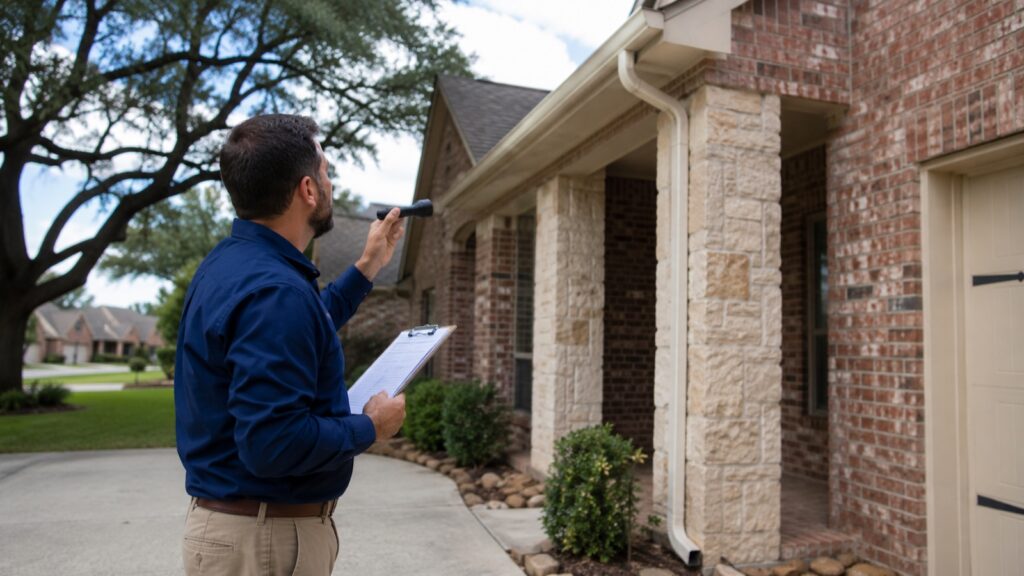
Yes. In Texas a seller can refuse to make any repairs after a home inspection. Most North Texas homes are sold "as-is," and unless your contract specifically requires repairs, the seller is under no obligation to fix what the inspection turns up. The inspection is not a to-do list the seller must complete. It is information that gives you, the buyer, the leverage to decide what to do next.
Why "as-is" is the default in Texas
The standard Texas Real Estate Commission (TREC) One to Four Family Residential Contract does not promise that the seller will repair anything. The home transfers in its present condition. What the inspection does is give you a clear, professional picture of the property's condition during your option period, so you can negotiate from facts instead of guesses. A TREC inspection is visual, non-invasive, and point-in-time. The inspector reports the conditions visible on the day of the inspection. They do not predict how long a system will last or determine what is hidden behind walls. For more on what is and is not included, see what a TREC inspection covers in Texas.
Because the report describes conditions rather than dictating fixes, the seller is free to say no. That is normal, and it is not a sign of bad faith. The seller may have priced the home expecting to sell as-is, or they may simply prefer a price reduction over managing contractors.
Your options during the option period
The real power here is the option period, a short window (often a handful of days) that you typically pay for in your contract. During this time you can terminate the contract for any reason and get your earnest money back. Once you have the inspection report in hand, you generally have four paths:
- Ask the seller to make repairs. You request specific fixes in writing through your agent. The seller can agree, counter, or decline.
- Ask for a credit or price reduction. Instead of the seller hiring contractors, you take money off the price or a closing-cost credit and handle the work yourself after closing. Many sellers prefer this because it is clean and predictable.
- Accept the home as-is. If the findings are minor or you simply want the house, you can move forward with no changes.
- Terminate. If the problems are too big or the seller will not budge on anything that matters to you, you can walk away during the option period and keep your earnest money.
If the seller refuses everything, that does not leave you stuck. It just means you decide whether the home is worth it at the agreed price and condition.
Focus your requests on safety, structure, and major systems
Sellers are far more likely to say yes when your requests are reasonable and focused. Cosmetic items, normal wear, and tiny nitpicks tend to make negotiations stall. Concentrate on findings that affect safety, the structure, or the expensive systems of the house. In North Texas that often means:
- Foundation and drainage. Our expansive clay soil moves with the seasons, and many homes sit on post-tension slabs. Significant movement, poor grading, or pooling water near the slab are worth flagging.
- Electrical hazards. Older panels, double-tapped breakers, or aging aluminum branch wiring are genuine safety items, not cosmetic ones.
- Major systems. HVAC, water heaters, and the roof take a beating from summer heat, hail, and hard freezes here. Active leaks or failing equipment carry real cost.
- Plumbing. Active leaks, drain-line problems, and supply issues that could cause damage.
For help drawing that line, read what repairs to ask for after an inspection in Texas. A focused list of safety and structural items reads as fair, and fair requests get more yeses.
How a clear report strengthens your position
You negotiate better when you fully understand what the inspector found. A good report separates true defects from routine maintenance and uses photos to document each item. Learning how to read your inspection report helps you prioritize the items that matter and explain them confidently to the seller. Remember that the inspector reports visible conditions but does not determine remaining life, hidden damage, or code compliance, so frame requests around what was actually observed.
The stronger and more detailed your inspection, the more credible your requests. A thorough inspector who documents conditions clearly gives you concrete evidence rather than vague worries.
The bottom line
A seller in Texas can absolutely refuse to make repairs, and many will. But refusing repairs is not the end of the road. Your option period gives you room to negotiate a credit or price cut, accept the home, or walk away with your earnest money. Keep your requests focused on safety, structure, and major systems, lean on a clear and well-documented report, and lean on your real estate agent to guide the negotiation. This article is general information, not legal advice, so talk with your agent or attorney about your specific contract.