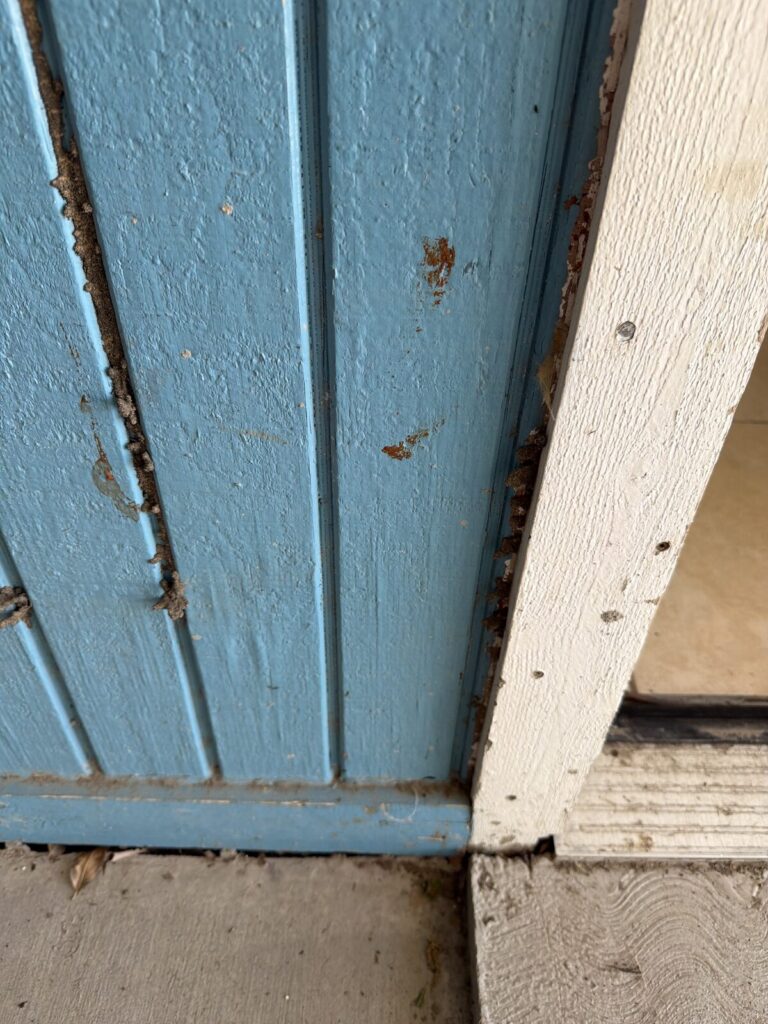
Texas is prime territory for termites and other wood-destroying insects, so a WDI inspection is one of the most common add-ons North Texas buyers request. Here is what it is, why it matters, and how it differs from a standard home inspection.
What is a WDI inspection?
WDI stands for wood-destroying insect. A WDI inspection (often called a termite inspection) checks the home for evidence of termites, carpenter ants, and other wood-destroying organisms, along with conditions that attract them, like moisture and wood-to-soil contact. The result is documented on a standard report form.
Why it is a separate inspection
A WDI inspection requires its own license in Texas and is regulated separately from home inspections, so it is not part of a standard inspection. Many buyers schedule both at the same time for convenience. If you are financing with certain loan types, a WDI report may even be required.
Why North Texas homes are at risk
Subterranean termites are active across DFW, and our clay soil, periodic heavy rains, and foundation watering all create the moisture conditions termites love. Even a well-kept home can develop an issue, which is why documentation matters before you buy.
Warning signs to know
- Mud tubes on foundation walls or piers
- Discarded wings near windows or doors
- Hollow-sounding or damaged wood
- Bubbling or uneven paint
How to arrange one
Ask your inspector whether they offer a WDI report or coordinate one alongside your home inspection. To understand what the base inspection includes, see what a home inspection covers.