If your inspection report flags a "double-tapped breaker," it means two wires were found landed under a single breaker that is designed for one. It is one of the most common electrical-panel findings in North Texas homes, and like most panel items, it is a safety note that a licensed electrician should correct. It is rarely a deal-breaker, but it is worth understanding before you move on.
What a Double-Tapped Breaker Actually Is
A double tap is when two conductors share one breaker terminal that was only built and listed for a single conductor. The connection can loosen over time, and a loose connection can heat up. A handful of breakers are specifically designed and labeled to accept two wires, so not every doubled connection is a defect. That is exactly the kind of distinction a qualified electrician sorts out. The fix is usually quick: separate the wires onto their own breakers, add a properly listed breaker, or pigtail the conductors correctly.
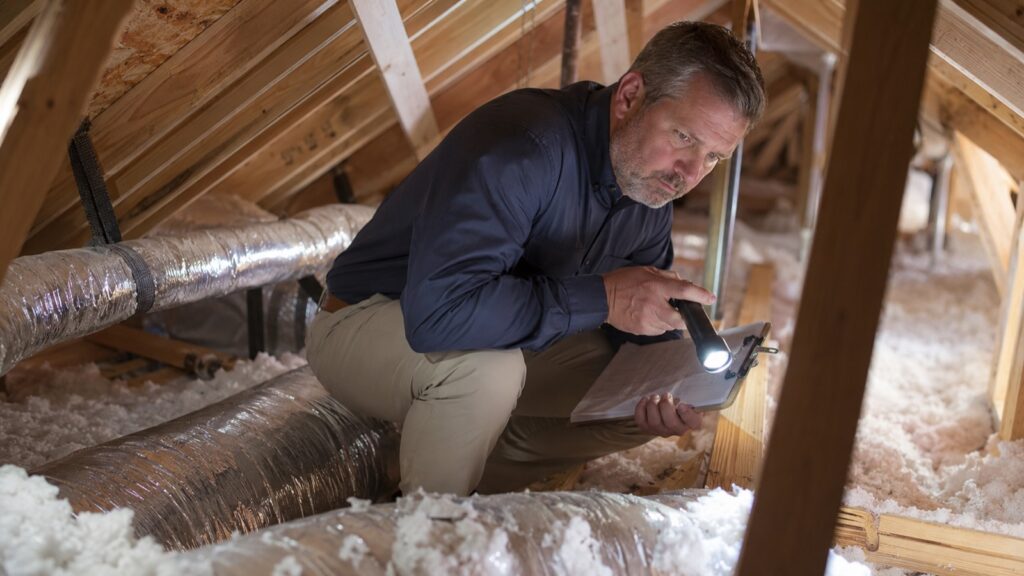
In Texas, your inspector documents this under the electrical standards. A real estate inspection is visual, non-invasive, and a snapshot of one point in time. Your inspector reports the visible deficiency. They do not energize, load-test, or verify that the breaker trips the way it should. That is by design, and it is part of what a TREC inspection covers in Texas.
The Other Panel Findings You Will Often See
Double taps usually travel with a short list of companions. Here are the panel items that show up most across DFW housing stock, from 1960s ranch homes to newer builds.
- Missing dead front or cover. The dead front is the inner cover that keeps you from touching energized parts. If it is missing, loose, or has open gaps, the Texas electrical standards specifically call for that to be reported. It is a real shock hazard and an easy correction.
- Missing knockouts or open holes. Unused openings in the panel cabinet should be filled. Open knockouts let fingers, rodents, and debris reach live components.
- Oversized breakers or wrong conductor sizing. A breaker protects the wire behind it. If a 20-amp breaker feeds a wire only rated for 15 amps, the wire can overheat before the breaker ever trips. The standards treat incompatibility between overcurrent devices and conductors as a reportable deficiency.
- Missing AFCI or GFCI protection. Ground-fault and arc-fault protection guard against shock and certain electrical fires. Older DFW homes frequently lack them in spots where they are expected today. We go deeper in GFCI and AFCI protection explained.
- Improper bonding or grounding. The grounding and bonding system gives fault current a safe path back. Loose, missing, or improperly connected grounds and bonds are a safety concern an electrician should resolve.
- Panel suitability. A panel that is not appropriate for its location, such as one installed in a clothes closet or a damp, cramped space, gets flagged. Summer heat and the occasional hard freeze in North Texas make a dry, accessible, properly located panel even more valuable.
Why "The Inspector Does Not Test the Breaker" Matters
This trips people up, so it is worth being plain about it. Under the Texas Standards of Practice, your inspector is required to report visible deficiencies like a missing cover, an unsuitable panel location, or a breaker-to-wire mismatch. The inspector is not required to operate breakers or verify that overcurrent devices actually trip effectively. A breaker can look perfectly fine and still fail to trip on a fault, which is one reason certain older panel brands draw extra scrutiny. If you have a Federal Pacific or Zinsco panel, read our breakdown of Federal Pacific and Zinsco panels in DFW, because those carry concerns that go beyond a simple double tap.
The same reasoning applies to aluminum branch wiring, which shows up in some homes built from the mid-1960s into the mid-1970s. Panel and connection issues in those homes deserve a careful eye from a qualified electrician. Aluminum wiring in older homes carries its own specifics worth understanding.
How Serious Are These Findings?
Most panel findings are correctable safety items rather than reasons to walk away from a house. The honest framing is this: your report tells you what is visibly wrong, not how much remaining life a component has or what is hidden behind the panel cover. A licensed electrician can open things up, evaluate the connections, confirm proper sizing, and make repairs. Many of these corrections are inexpensive relative to the peace of mind they buy.
When you get your report, look at whether panel items are grouped as routine maintenance or flagged as safety concerns, and ask your electrician to prioritize the safety items first. If reading inspection language feels overwhelming, our walkthrough on how to read your report can help you sort signal from noise.
The Bottom Line for DFW Buyers and Owners
Double-tapped breakers and their cousins are common, usually fixable, and almost always worth addressing before they age into a bigger problem. The smartest move is a thorough inspection that documents every visible panel deficiency clearly, so you can hand a clean list to a licensed electrician.