A standard home inspection in Texas does not test for asbestos or lead paint. It is a visual, non-invasive walkthrough, so an inspector may note materials that commonly contain these hazards, but confirming them takes certified lab testing. If you are buying an older DFW home, knowing where these materials hide and how to handle them calmly is the goal here, not panic.
Why Older DFW Homes Are Worth a Closer Look
North Texas has neighborhoods built across many eras, from postwar bungalows in older Dallas and Fort Worth pockets to the big suburban booms. Homes built before 1978 may contain lead-based paint, and materials manufactured into the early 1980s may contain asbestos. That covers a meaningful share of the region's pre-boom housing stock. The presence of these materials does not automatically make a home dangerous. Many are perfectly safe when intact and left undisturbed. The risk rises when they are damaged, deteriorating, or disturbed during a renovation.
Lead Paint: The Pre-1978 Rule
Lead-based paint was banned for residential use in 1978. Homes built or last painted before that year may have lead paint under newer layers, especially on windows, doors, trim, railings, and exterior surfaces. The hazard is usually not intact paint on a wall. It is chipping, peeling, or chalking paint and the fine dust created when old painted surfaces are sanded, scraped, or rub against each other, like a window sash sliding in its frame.
Federal law requires sellers and landlords of pre-1978 housing to disclose known lead-based paint and provide an EPA pamphlet, and buyers generally have a window to arrange a lead assessment. A home inspector can point out areas of failing paint that deserve attention, but only a certified lead risk assessor or lab analysis can confirm whether lead is actually present.
Asbestos: Where It Hides in Older Homes
Asbestos was valued for fire resistance and durability, so it showed up in many building products before regulation tightened its use through the 1980s. In older DFW homes, the usual suspects include:
- Popcorn (textured) ceilings sprayed in many mid-century and later homes.
- Vinyl floor tile and the black mastic adhesive beneath it, often 9-inch tiles.
- Pipe and duct wrap or insulation, sometimes a chalky white or gray jacket on older heating lines.
- Cement siding and shingles on some pre-1980s exteriors.
- Wall and ceiling joint compound, and some textured paints.
As with lead, intact and undisturbed material is generally low risk. The danger comes from disturbing it, which can release fibers into the air. That is why scraping a popcorn ceiling or pulling up old tile yourself is exactly the wrong move until the material has been tested.
What a Standard Inspection Actually Does
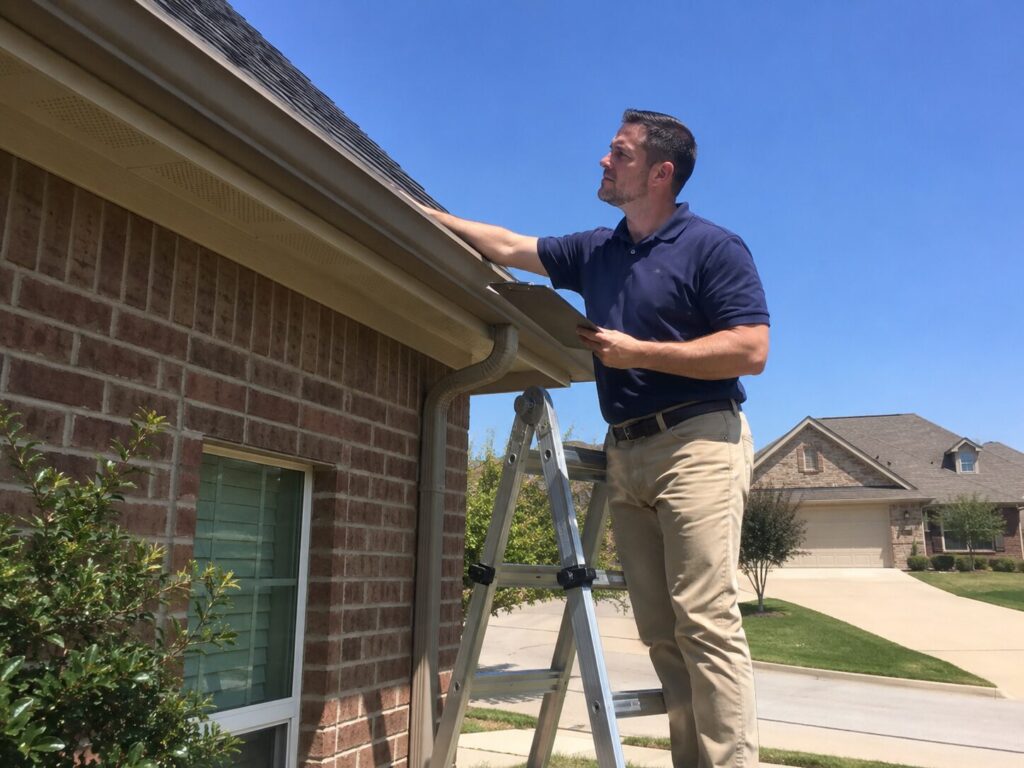
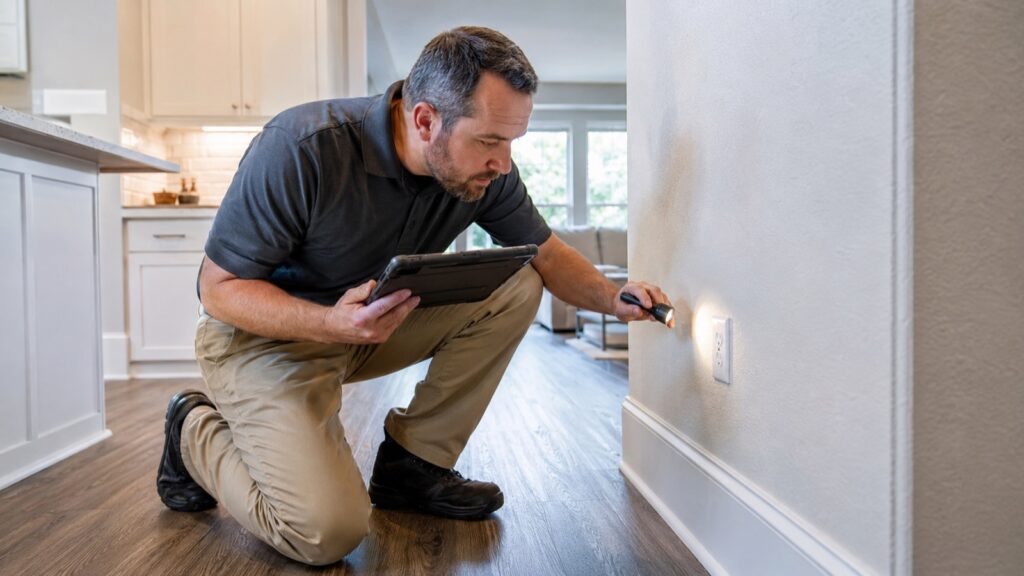
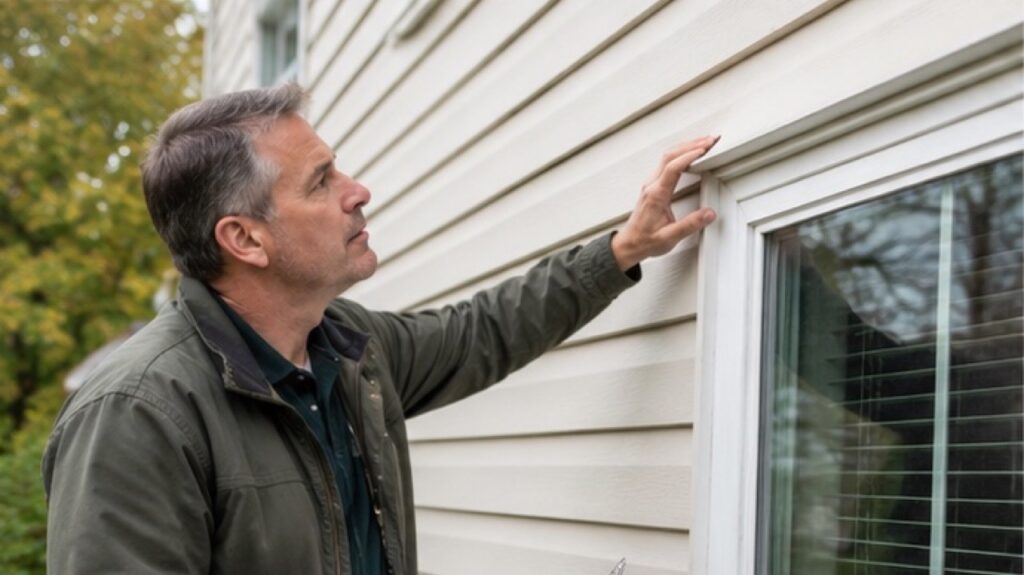
Under the TREC Standards of Practice, a home inspection is visual, non-invasive, and a snapshot of conditions on the day of the inspection. It is not a code-compliance inspection, and it does not include destructive testing or laboratory analysis. An inspector will not cut into walls, send samples to a lab, or certify a home as free of asbestos or lead. What a good inspector can do is recognize materials and ages that commonly raise these questions and recommend you bring in a specialist. This is one of many areas where it helps to understand what a home inspection covers in DFW and, just as importantly, what a home inspection will not catch. Environmental lab testing sits firmly in that second category, much like the limits around whether inspectors check for mold.
Who Handles Testing and Removal
If you want certainty, the next step is a licensed specialist, not a contractor with a scraper. For lead, that means a certified lead inspector or risk assessor. For asbestos, samples go to an accredited lab, and any removal should be done by a licensed asbestos abatement professional following state and federal rules. In Texas, asbestos abatement is regulated, and professionals follow specific containment, removal, and disposal procedures. Doing this work properly protects you, your family, and the workers, and it keeps fibers and dust from spreading through the home.
How to Think About It as a Buyer
None of this should scare you away from a well-built older home. Plenty of DFW houses have lived safely with original materials for decades because those materials were never disturbed. The practical approach is simple:
- Treat a pre-1978 or pre-1980s home as a flag to ask more questions, not a deal breaker.
- Review the seller's disclosures, including any required lead-based paint disclosure.
- If you plan to renovate, especially ceilings, flooring, or old pipe wrap, budget for testing before any demolition.
- Leave intact materials alone until you know what they are.
A thorough inspection is still your best starting point, because it tells you the home's age, construction, and condition so you know which follow-up questions matter.
The Bottom Line
Asbestos and lead paint are common in older North Texas homes, and a standard inspection will flag suspicious materials but will not test or confirm them. That is by design. Certified assessors and licensed abatement specialists handle the lab work and any safe removal. Knowing the difference lets you buy an older DFW home with clear eyes, plan renovations responsibly, and keep everyone safe without unnecessary alarm.