A slab leak is a leak in a water line that runs under or through the concrete foundation of your home, and in North Texas it usually shows up first as a warm spot on the floor, a water bill that climbs for no reason, or pressure that drops at the faucet. Because the pipe is buried in or beneath the slab, you cannot see it, which is exactly why this is one of the trickier problems a DFW homeowner can face.
What Causes Slab Leaks in North Texas
Slab leaks happen when a supply line or, less commonly, a drain line under the foundation gives way. A few causes are especially common in Dallas-Fort Worth:
- Soil movement on expansive clay. Our region sits on clay soils that swell when wet and shrink when dry. As the ground heaves and settles through wet springs and brutal summers, it stresses the rigid pipes locked in the slab. Over years, that flexing can crack a fitting or open a seam.
- Abrasion. When a copper line rubs against the concrete, gravel, or a piece of rebar every time the soil shifts or the line expands with hot water, it slowly wears a hole through the pipe wall.
- Corrosion. Copper reacts with certain soil chemistry and water conditions, producing pinhole leaks from the inside out or the outside in. Older homes with original copper supply lines are the usual candidates.
- Poor installation. A kinked line, a bad solder joint, or a pipe set too tight against the slab can fail early, sometimes within the first decade.
The clay-soil connection is the thread that ties most of this together. The same ground movement that drives foundation movement in North Texas also works on the plumbing trapped inside the slab. If your foundation is moving, your sub-slab pipes are feeling it too.
Signs You May Have a Slab Leak
Slab leaks rarely announce themselves with a puddle. The clues are usually indirect, and noticing them early can save a lot of money and disruption. Watch for:
- Warm or hot spots on the floor. A leak in a hot-water line under the slab can heat the area above it. If one patch of tile or floor feels warm for no reason, take it seriously.
- An unexplained jump in your water bill. Water escaping under the slab still runs through your meter. A bill that rises with no change in habits is a classic warning sign.
- Low or dropping water pressure. A significant leak bleeds off pressure, so faucets and showers may weaken.
- The sound of running water when every fixture is off.
- Cracks, damp flooring, or a musty smell, and sometimes movement in the slab itself as water erodes or saturates the soil beneath it.
- A spinning water meter when nothing in the house is using water. Turn everything off and watch the dial.
Some of these overlap with ordinary foundation issues, which is why people often confuse the two. Steady soil moisture from a careful foundation watering routine helps reduce the soil swings that stress both your slab and the pipes inside it, though watering will not fix a leak that has already started.
Why a Standard Home Inspection Cannot Find a Slab Leak
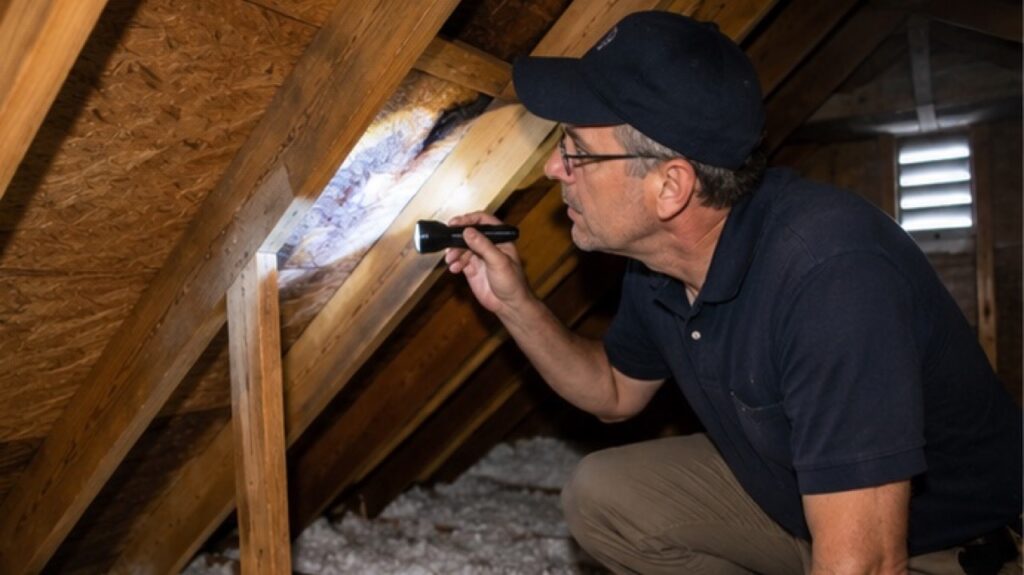
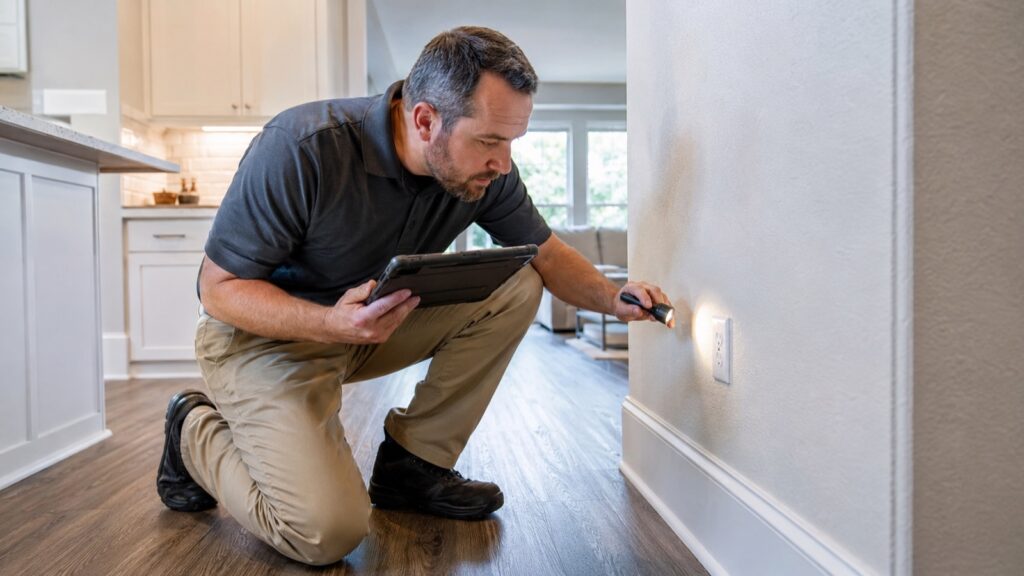
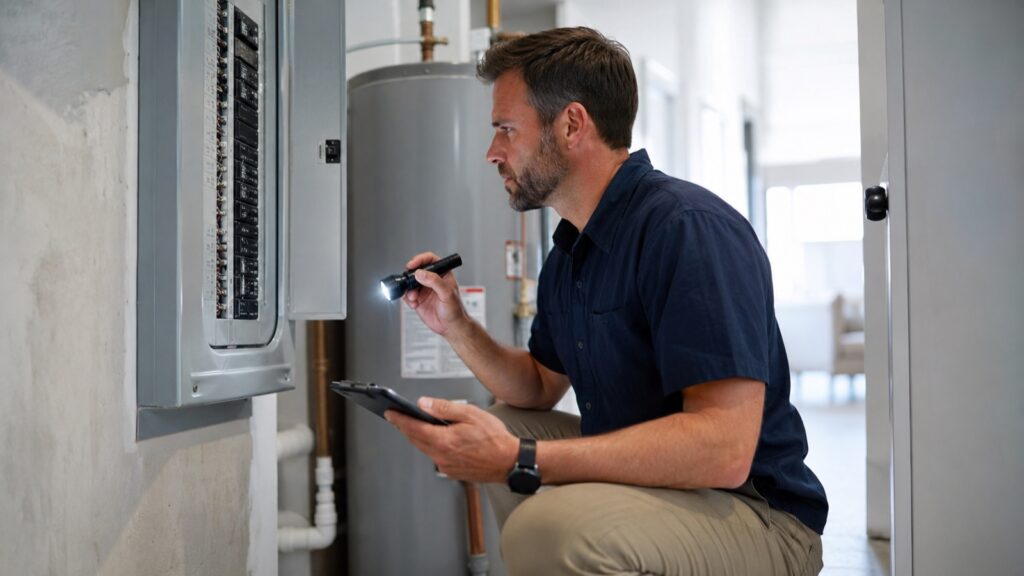
Here is the honest part. A standard Texas real estate inspection follows the TREC Standards of Practice, and that inspection is visual, non-invasive, and point-in-time. The inspector reports the visible and accessible conditions of the plumbing and reports the visible piping material, but the rules do not require the inspector to examine anything buried, hidden, or concealed, including sub-slab plumbing. The lines that leak run inside or under the concrete, where no visual inspection can reach.
An inspector also is not required to use specialized equipment such as thermal cameras or moisture meters, and a licensed home inspector may not perform invasive testing like a hydrostatic test. Only a licensed plumber may run a hydrostatic test on a home, and that requires separate written authorization from the seller. So while a good inspection can flag warning signs it can actually see, such as foundation performance issues, water staining, or visible plumbing defects, it cannot confirm or rule out a concealed slab leak. For a fuller picture of where the line is drawn, see what a TREC inspection covers in Texas.
How Slab Leaks Are Actually Detected
Pinpointing a slab leak takes specialized leak detection, usually performed by a licensed plumber or a dedicated leak-detection company. The common methods include:
- Pressure and isolation testing to confirm a leak exists and narrow it to the supply side or the drain side.
- Acoustic listening equipment that hears water escaping under the concrete.
- Electronic leak detection and tracer methods that follow the line to the failure point.
- Thermal imaging, which can highlight a warm area over a hot-water leak. It only reads surface temperature and is not X-ray vision, so it points crews toward an area rather than the exact pipe.
- A sewer-scope camera when a drain line under the slab is the suspect, to view the interior of the pipe.
Once the leak is located, repair options range from spot repair by opening the slab, to rerouting the line above the slab, to a full repipe, depending on the pipe material and how many problems show up.
The Bottom Line for DFW Homeowners
Slab leaks are a real risk on North Texas clay, and they hide where a routine inspection cannot look. The smart move is to know the warning signs, keep soil moisture steady, and act quickly if your bill climbs or a floor turns warm. A thorough home inspection is still the right first step before you buy, because it documents the visible foundation and plumbing conditions and tells you when a specialist is worth calling.