A standard home inspection in Texas includes a visual look at the parts of your chimney and fireplace that the inspector can safely see, such as the firebox, damper, hearth, the visible portion of the flue, and the exterior cap and crown. It is a non-invasive, point-in-time check. The inspector reports the conditions that are visible on the day of the inspection, but does not scan the inside of the flue, measure creosote buildup, or evaluate concealed liner sections. Here is what that means for a North Texas home.
What the inspector looks at
Under the TREC Standards of Practice, a home inspection of a fireplace and chimney is a visual exam of the readily accessible components. On the inside of the home, that usually means the firebox, the visible damper, the hearth and the hearth extension, and the surrounding clearances to combustible materials like a wood mantel or trim. The inspector checks that the damper opens and closes, looks for cracked or missing firebrick, and notes scorched or damaged surfaces.
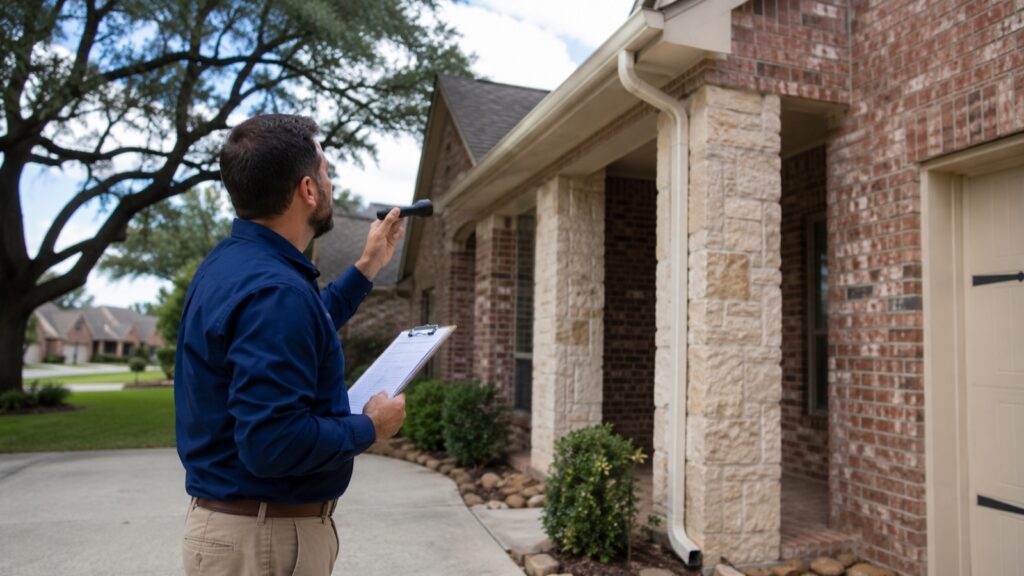
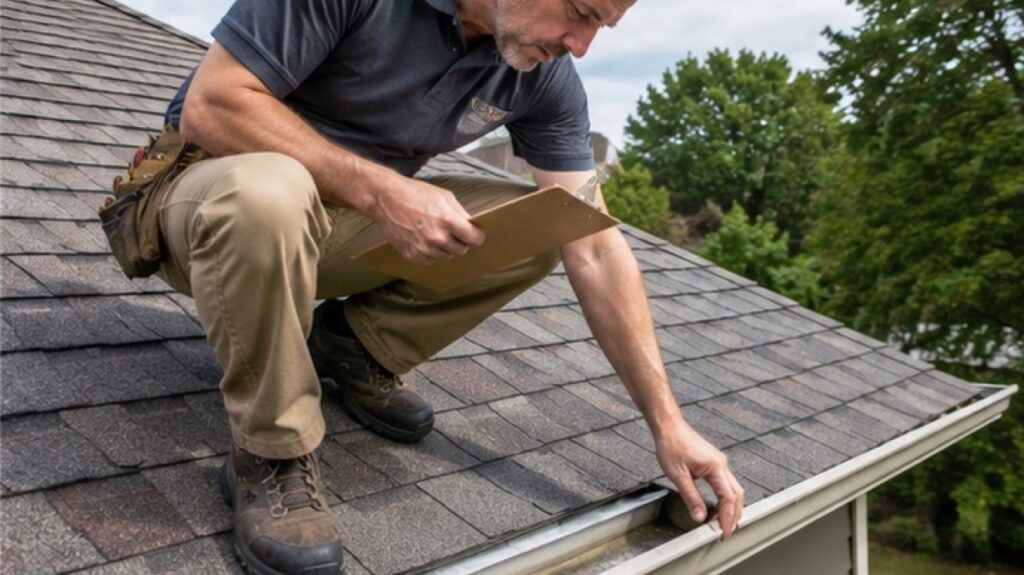
On the outside, the inspector looks at the chimney structure, the crown (the concrete or mortar cap at the top), the spark-arrestor cap, the visible flashing where the chimney meets the roof, and any obvious leaning, cracking, or spalling brick. In our area, hard freezes and decades of expansive clay soil movement can crack a chimney crown or open up the mortar joints, so these are common notes on a DFW report.
What a chimney inspection does not cover
This is where honesty matters. A standard inspection is non-invasive, so the inspector will not climb inside the flue or run a camera up it. That means a few important things are outside the scope:
- The inspector does not perform an interior flue scan or video inspection of the full liner.
- The inspector does not measure creosote thickness or tell you when the chimney was last swept.
- Concealed liner sections, hidden cracks behind walls, and the condition of the flue above what is visible are not evaluated.
- The inspector does not determine remaining life of the chimney or guarantee it is safe to burn.
In other words, the report tells you what is visible, not what is hidden. This is a normal limit of any visual inspection, and it is the same reason there are other things a routine walk-through can miss. If you want the full picture of those boundaries, our guide on what a home inspection will not catch is a good companion read, and what a TREC inspection covers in Texas explains the visual, point-in-time scope in more detail.
Why wood-burning units need a Level 2 chimney inspection
If the home has a real wood-burning fireplace or stove, the smart next step after the home inspection is a Level 2 chimney inspection by a certified chimney sweep. A Level 2 inspection uses a specialized camera to scan the inside of the flue and liner, which is exactly the part a general home inspector cannot see. It checks for cracked flue tiles, gaps in the liner, blockages, and heavy creosote, which is the flammable residue that builds up from burning wood and is a leading cause of chimney fires.
A Level 2 inspection is especially worth it when a property changes hands, after a chimney fire or a strong storm, or any time there has been a change to the system. Think of the home inspection as the visual screening that flags whether you need that deeper look, while the sweep handles the inside of the flue. The two work together rather than replacing each other, much the way different types of home inspections serve different purposes.
Gas log and gas fireplace safety basics
Plenty of North Texas homes have gas logs or gas-fueled fireplaces rather than wood-burning units, and they come with their own checklist. During a visual inspection, the inspector looks at the accessible gas components, the firebox, and the clearances, and notes obvious concerns. A few safety basics matter for gas units:
- Vented gas logs need the damper open or clamped open when in use so combustion gases vent up the flue.
- Ventless (vent-free) units are designed to burn cleanly indoors, but they should be installed and used exactly as the manufacturer specifies.
- Glass doors, gas valves, pilot assemblies, and any signs of soot or scorching are worth noting and worth a closer look by a qualified gas technician.
- A working carbon monoxide alarm near sleeping areas is a basic, low-cost safeguard for any home that burns gas.
As with the rest of the home, the inspector reports the visible condition on inspection day and does not certify that a gas appliance will operate safely forever. If something looks off, the report will recommend evaluation by the appropriate specialist.
How this fits into the whole inspection
The chimney and fireplace are one piece of a much larger visual review of the house, from the roof and attic down to the foundation. If you want the big-picture view of what gets covered, start with our overview of what a home inspection covers in DFW.